Origins
In 1999, Dr. Xian-He Sun established the Scalable Computing Software (SCS) Laboratory at the Illinois Institute of Technology. He arrived after postdoctoral research at Ames National Laboratory, work as a staff scientist at ICASE at NASA Langley Research Center, and founding the original SCS Laboratory at Louisiana State University. At Illinois Tech, he built a research program in parallel computing, memory-system architecture, and performance modeling.
The program built on Dr. Sun’s memory-bounded speedup work, introduced in 1990 and developed further in 1993. At Illinois Tech, the SCS Lab extended this theoretical foundation with the Concurrent Average Memory Access Time (C-AMAT) framework, published in IEEE Computer in 2014. With support from the National Science Foundation and the Department of Energy, the lab carried these ideas into memory, I/O, and storage systems.
Director’s Message
The fundamental challenge of computing has never been speed alone. For over thirty years, my work has centered on a single conviction: that the gap between how fast we compute and how fast we access data is the defining constraint of our field. This was true when I first proposed the memory-bounded speedup model, and it is more true today than ever.
Every advance in artificial intelligence, every large-scale scientific simulation, every breakthrough in genomics or climate modeling runs into the same wall: data must be where it is needed, when it is needed, in a form that is useful. This is not a peripheral concern. It is the bottleneck that determines whether computational power translates into scientific discovery.
I welcome you to learn more about our work, our team, and our vision. If your research touches data at scale, our interests are aligned.
The Data-Centric Turn
As data volumes grew across scientific disciplines, from genomics and climate modeling to particle physics, compute-centric HPC architectures became limited by their data pipelines. This drove a shift from compute-centric to data-centric computing, where data storage, movement, and access matter as much as processing speed.
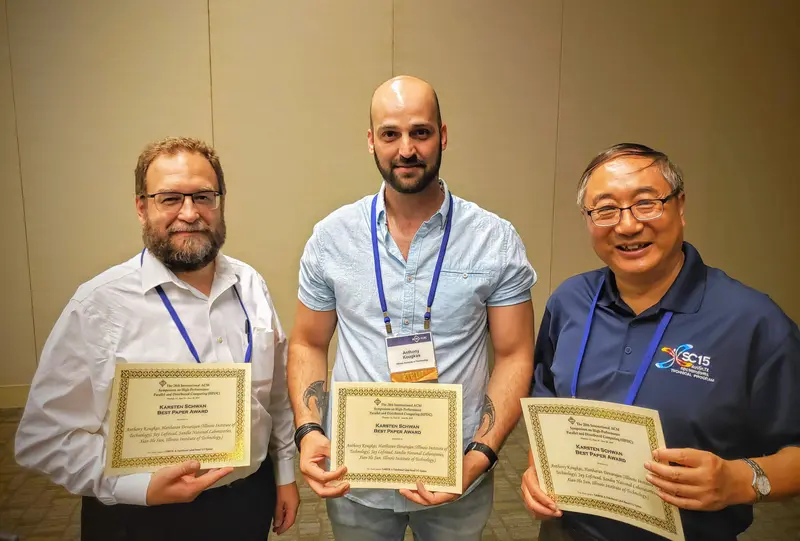
The SCS Lab took part in this transition. Dr. Anthony Kougkas developed a systems-focused research portfolio that translated the group’s theoretical foundations into deployed I/O software. That portfolio produced Hermes, a heterogeneous multi-tiered I/O buffering system; LABIOS, whose label-based I/O design received the Karsten Schwan Best Paper Award at HPDC 2019; and ChronoLog, a distributed log store for activity data. Together, these systems established federally funded partnerships with DOE national laboratories, produced patents, and supported the growth of an engineering team. The SCS Lab developed from a single-faculty academic group into a systems-building center.
Founding GRC
By the early 2020s, the SCS Lab had grown beyond a single-faculty research group, with research scientists, software engineers, and doctoral researchers. Federally funded projects spanned multiple agencies, and collaborations with national laboratories were producing research software. On April 23, 2023, the SCS Lab became the Gnosis Research Center and was formalized as a university-wide center at Illinois Tech (opens in a new tab), with Dr. Sun as Founding Director and Dr. Kougkas as Co-Founder and Executive Director. The center’s name reflects its pursuit: knowledge (gnosis) from the intersection of computation and data.
γνῶσις (gnōsis): knowledge gained through investigation. Understanding built by making the systems that make discovery possible.
GRC carries theoretical models into released research software. Researchers and engineers work with federal agencies and interdisciplinary partners to build and evaluate those systems.
Support research at the intersection of scalable computing and data-driven discovery by developing, extending, and releasing software for high-performance computing.
- Advance scalable computing technologies including parallelization, data management, and distributed storage for scientific workloads.
- Develop tools and frameworks for data-driven domains, including time-series analysis and scientific workflow optimization.
- Bridge data scientists and systems architects by co-designing cyberinfrastructure that unifies computation with data management.
Research Portfolio
GRC’s research addresses the gap between computational power and the ability to deliver data where and when it is needed. Housed within the College of Computing (opens in a new tab) at Illinois Tech (opens in a new tab), the center operates at the intersection of systems software engineering, performance theory, and scientific domain applications. The portfolio spans memory systems architecture, parallel and distributed I/O, resource management, and agentic science and AI.
| Research Area | Focus | Selected Projects |
|---|---|---|
| Memory Systems Architecture Cache optimizationPrefetching strategiesMemory management | Memory hierarchy modeling, cache management, and compile- and run-time tools for high-performance systems. | Hermes, Memory Access Pattern Obfuscation, UniMCC (all) |
| Parallel and Distributed I/O I/O middlewareApplication-level I/OData movement | I/O buffering, parallel file systems, and data movement across deep memory and storage hierarchies. | ChronoLog, LABIOS, Coeus, DeepIO, DTIO (all) |
| Resource Management Fault toleranceResource managementCluster scheduling | Task scheduling, data placement, and fast data access for high-end computing. | MPI4AI, UniMCC (all) |
| Agentic Science and AI Deep learning I/OInference optimizationModel serving | Context engineering and agent coordination for autonomous discovery: the CLIO architecture within IOWarp, memory layers for multi-agent systems, and AI-driven scientific workflows. | IOWarp, DeepIO, MPI4AI, Portus, SPOTTER-AI (all) |
Explore the full project portfolio, or browse GRC’s publications and patents for detailed results.
Record
GRC’s research software is developed with DOE national laboratories and evaluated on their computing facilities. The center’s frameworks and tools address I/O bottlenecks in scientific computing, AI workloads, and large-scale data management. See the team page for current members and alumni, including where graduates now work.
Funding & Collaborations
GRC’s work is made possible by sustained support from the National Science Foundation (opens in a new tab) and the U.S. Department of Energy (opens in a new tab). Award numbers for NSF-funded projects link to NSF Award Search from each project page.
The center’s research record includes work with DOE national laboratories and facilities including Argonne, Lawrence Livermore, Oak Ridge, Pacific Northwest, Sandia, and NERSC, as well as university collaborations with the University of Chicago and an unfunded collaboration with the University of Utah.
As GRC’s portfolio extends into AI-driven data systems, agentic computing, and domain-specific scientific infrastructure, the center welcomes industry partnerships through collaborative research, technology licensing, or sponsored projects.
See the full Partner Network for details on active collaborations.
Looking Ahead
The next chapter of GRC’s research is the convergence of HPC, AI, and autonomous systems. GRC is developing agentic data management systems: software that orchestrates data lifecycles across distributed storage and computing resources on behalf of AI agents.
This direction builds on the center’s work in tiered storage and I/O optimization and extends it into genome sequencing, distributed logging for autonomous systems, and data lifecycle management. The center is building partnerships with new agencies and scientific domains. All roles are currently closed. To express interest in future research or engineering work, visit the Future opportunities page.
We are building systems that understand the data they store: software that anticipates what science will need next and acts before it is asked.
Gallery
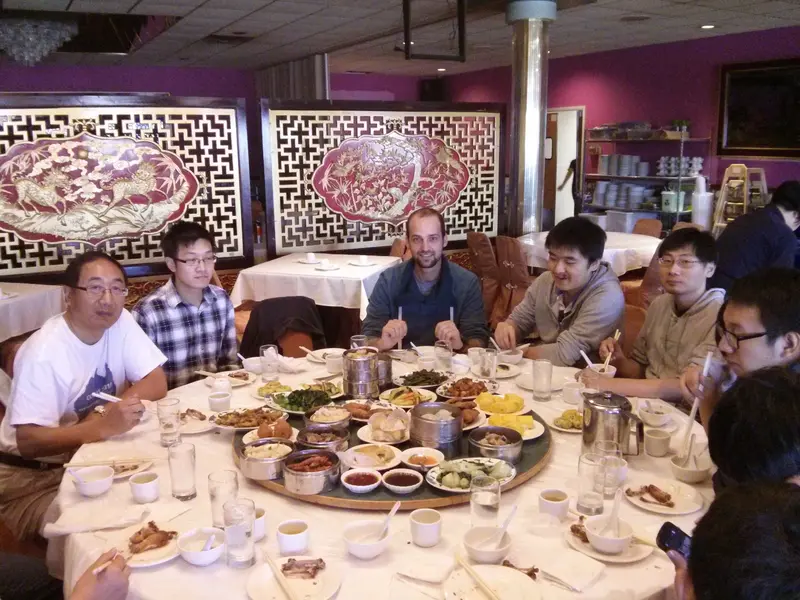
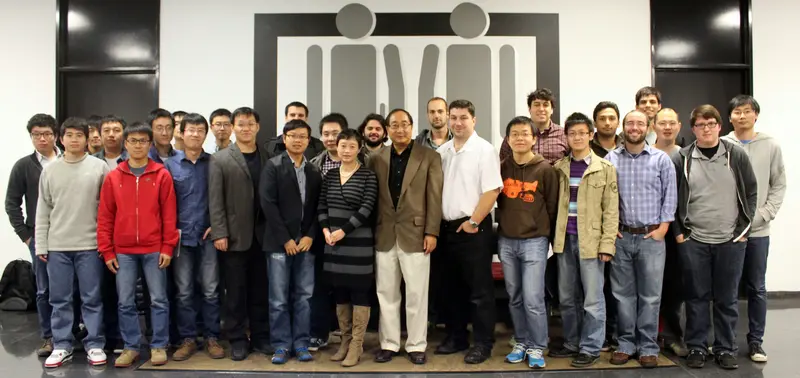
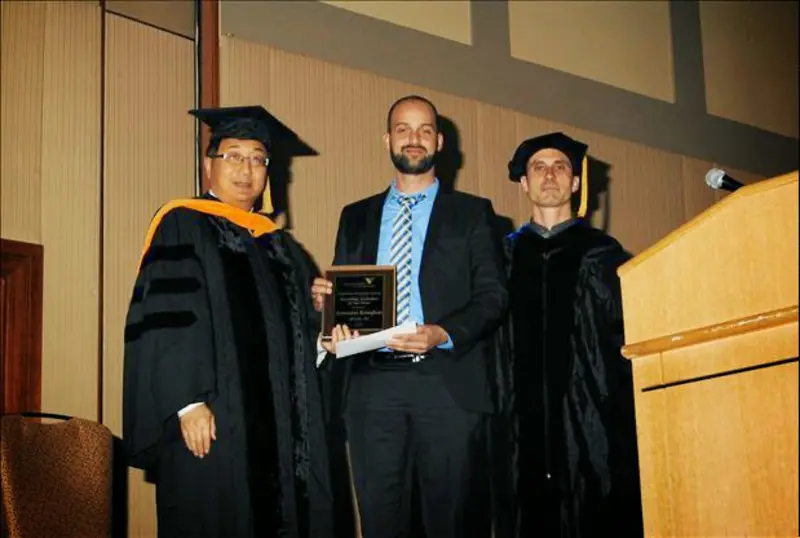
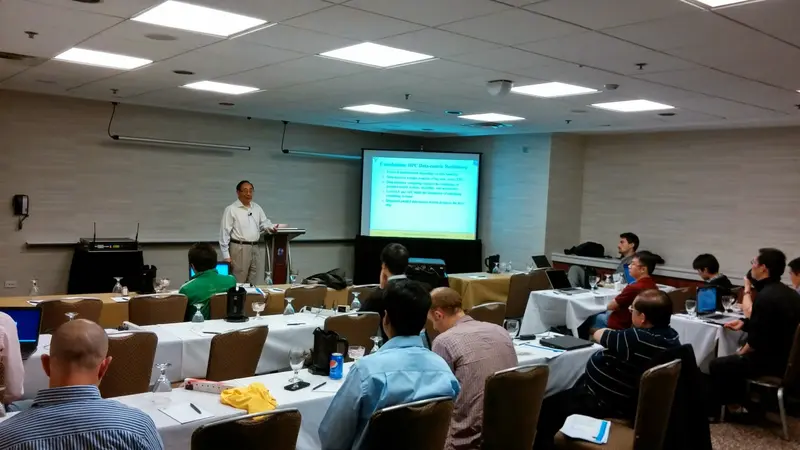
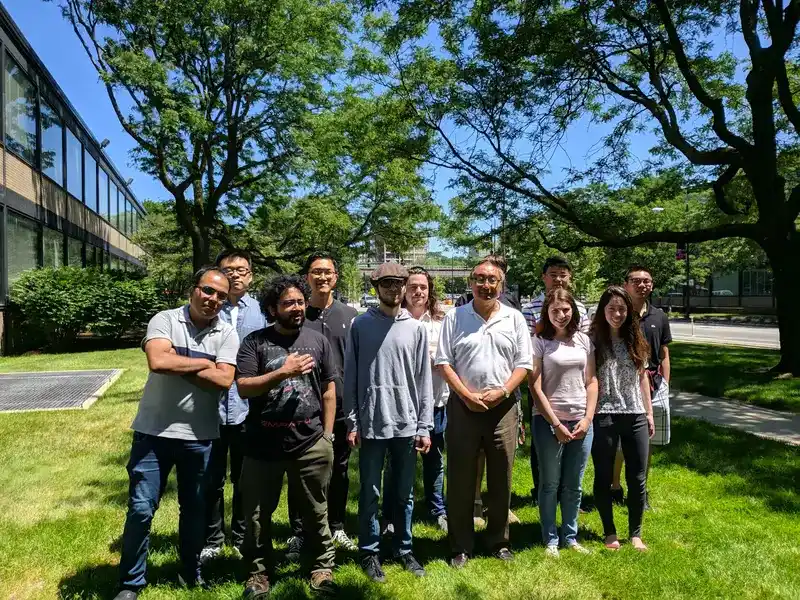
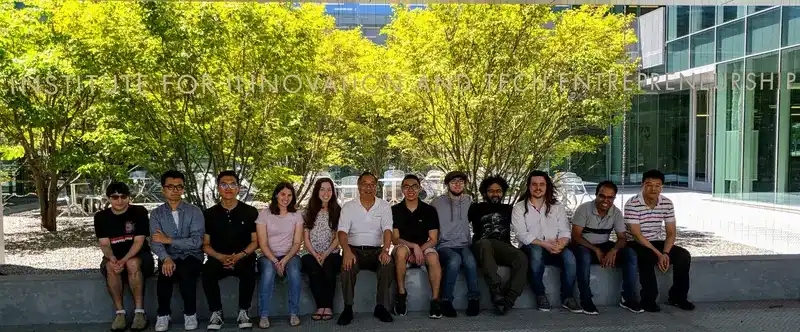
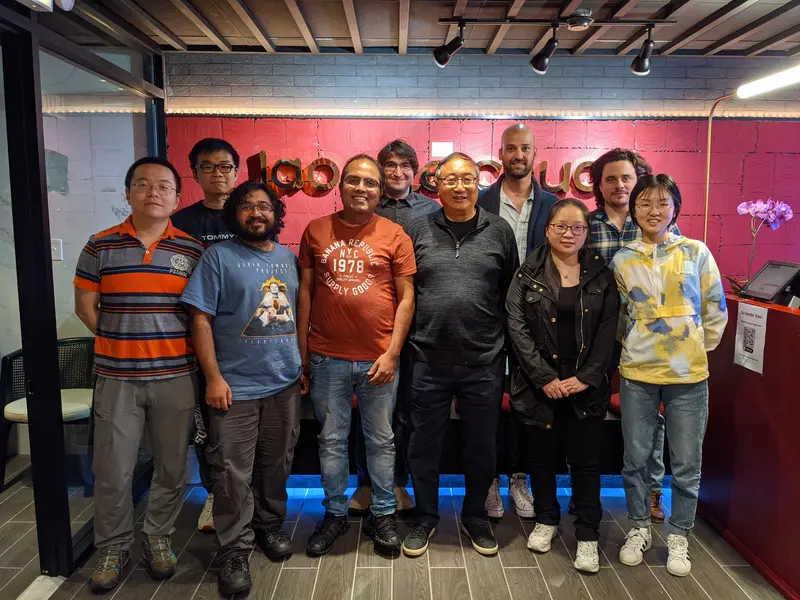
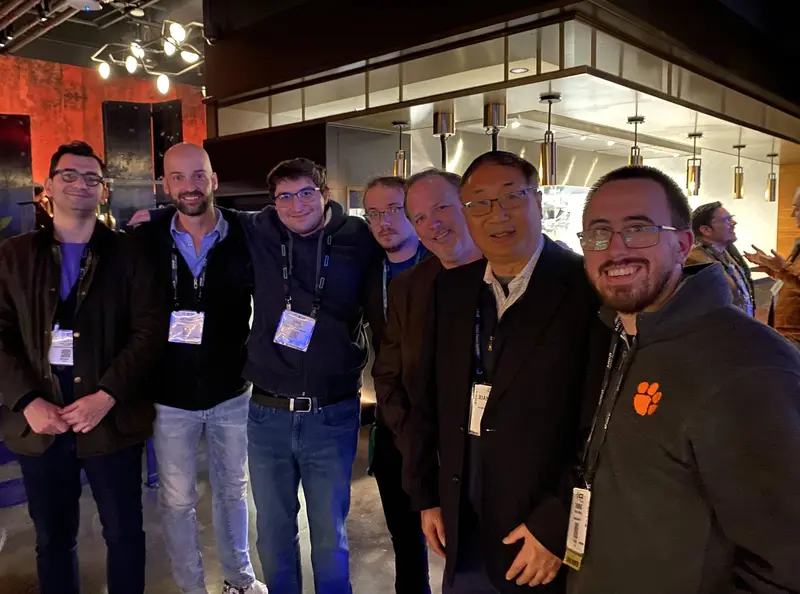
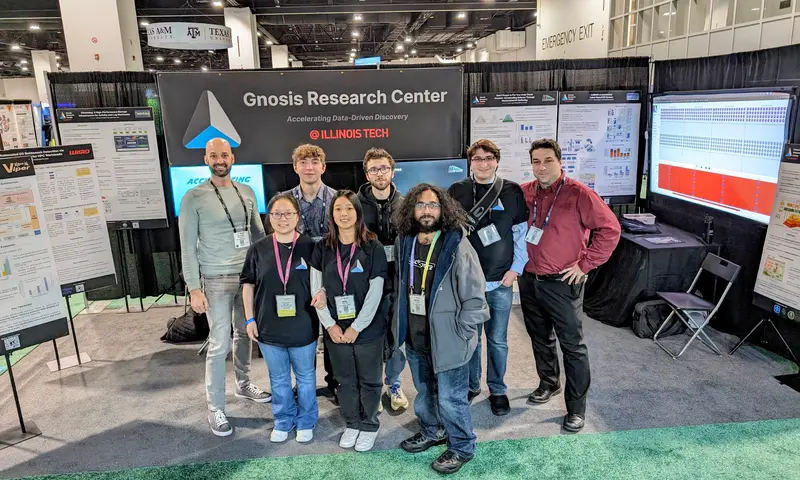
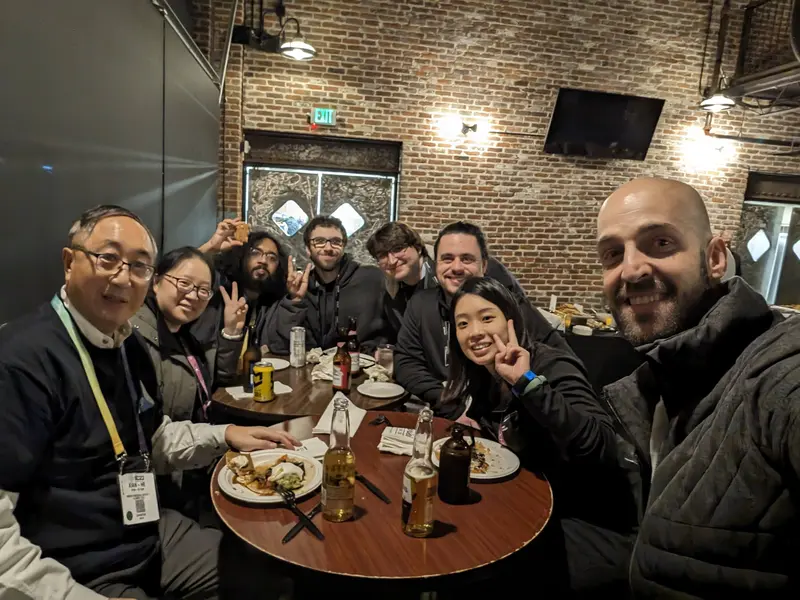
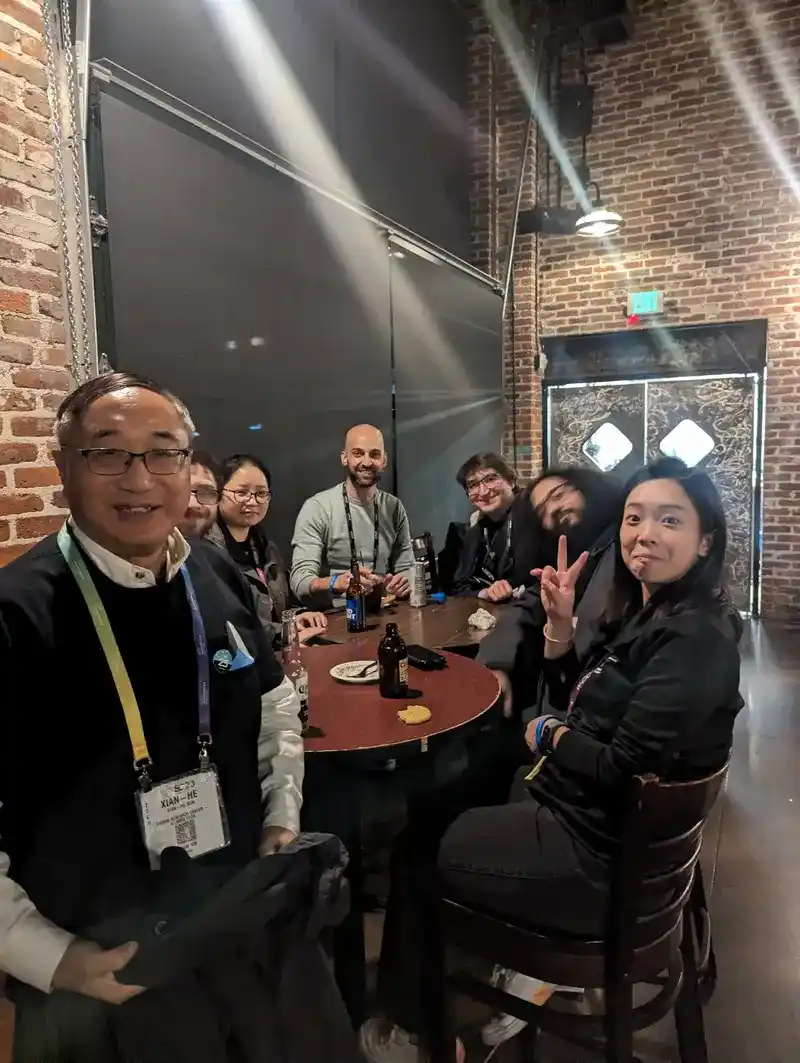
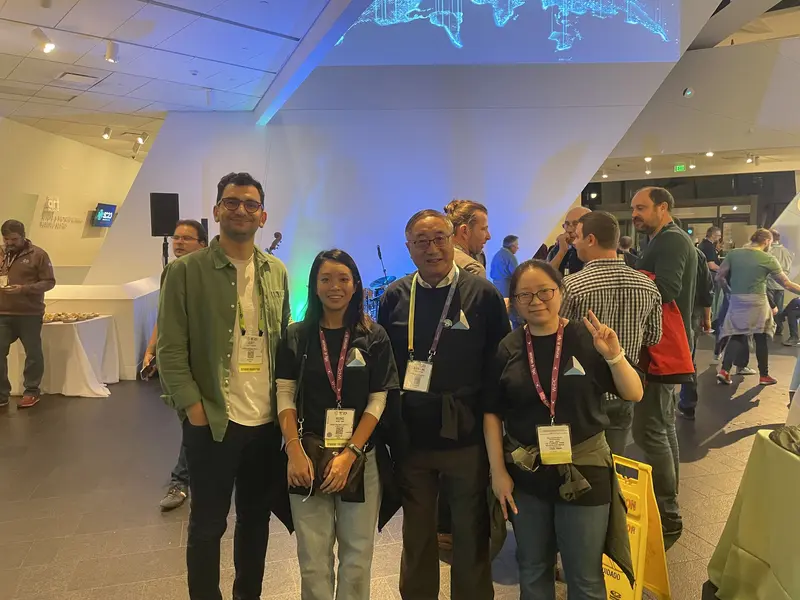
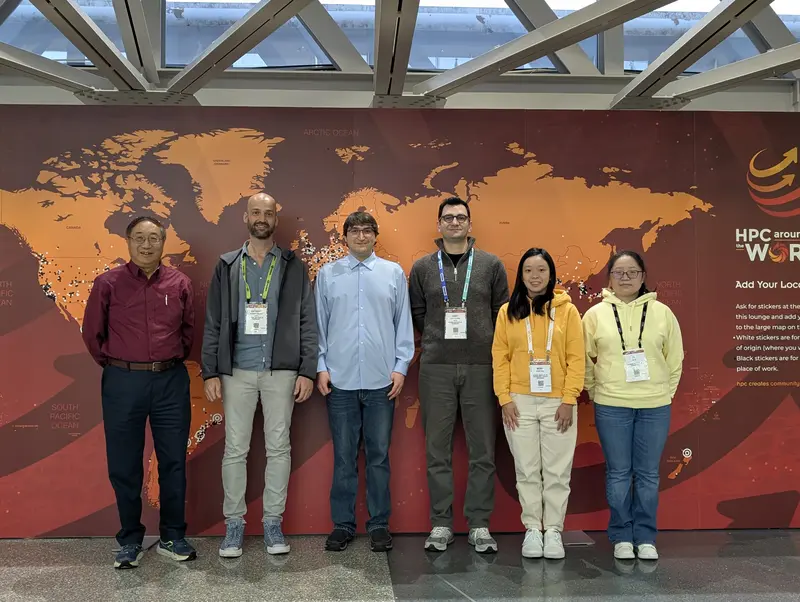
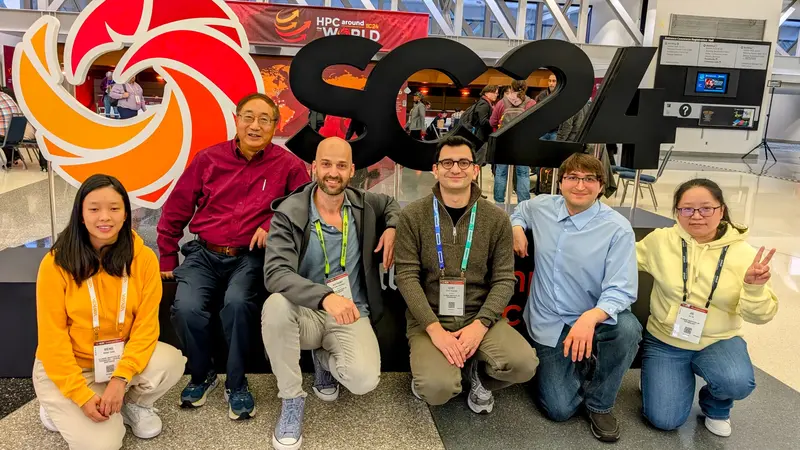
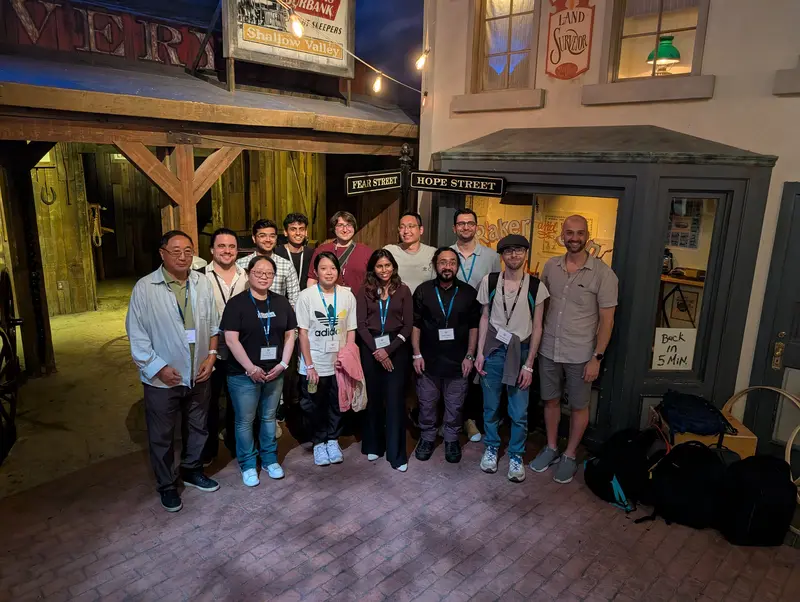
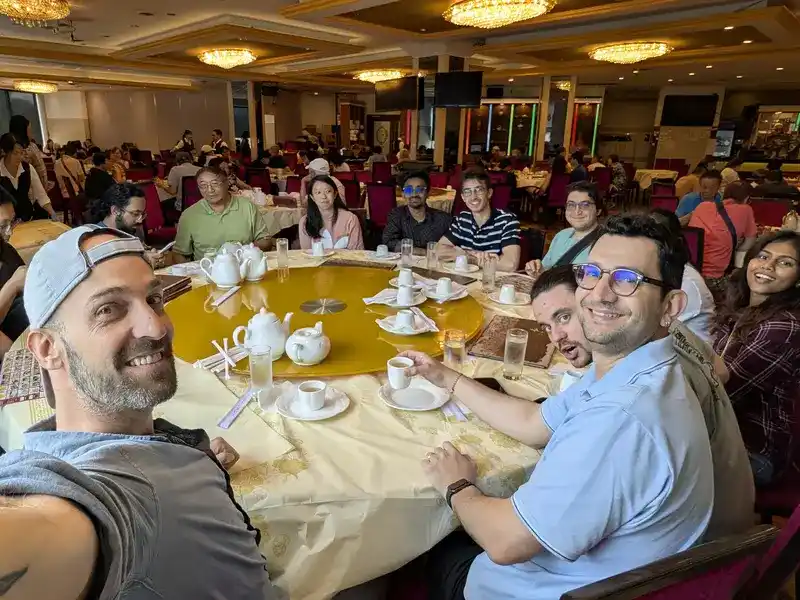
Photographs from the lab and from conferences, 2013 to 2025.
Contact & Location
Get in Touch
For meetings or lab visits, please contact us in advance to schedule an appointment.
Visit Us
Gnosis Research CenterStuart Building, Rooms 112i & 010
10 W. 31st Street
Chicago, Illinois 60616
Bronzeville neighborhood, Illinois Tech main campus.
By CTA
Take the Red Line to Sox-35th or the Green Line to 35th-Bronzeville-IIT. Walk north to the Stuart Building on 31st Street.
By Car
Check posted restrictions before parking on 31st Street or surrounding streets. Confirm current visitor parking requirements with Illinois Tech before your visit.
From Downtown
Take the CTA Red Line southbound to Sox-35th, then walk north to campus. Check the current CTA schedule when planning your trip.